Wondering why cornish saffron buns are so yellow, and whether it is really saffron? Real saffron gives the colour and flavour, but cheaper buns often lean on turmeric or food dye.
This guide sits within the wider cornwall food and drink section of the site.
| Item | Key fact |
|---|---|
| Other names | Tea treat bun, revel bun |
| Main ingredients | Plain flour, butter, yeast, caster sugar, currants and sultanas |
| Saffron effort | Stigma removed from around 180 flowers for a single gram |
| Tea treat tradition | Baked for Methodist feast days since the 1800s |
| Swedish cousin | Lussekatt, eaten especially on 13 December |
The figures come from Wikipedia’s saffron bun entry and Kilden Mor’s guide to saffron cake. They can change, so check the sources before you rely on them.
What is inside a Cornish saffron bun
A saffron bun is a rich, spiced, yeast-leavened sweet bun flavoured with saffron and filled with dried fruit. Wikipedia lists plain flour, butter, yeast, caster sugar, currants and sultanas as the main ingredients.
The same dough comes in a few shapes, according to Slow Food UK’s Ark of Taste entry:
- An oblong loaf, which is the usual form of saffron cake.
- A round loaf.
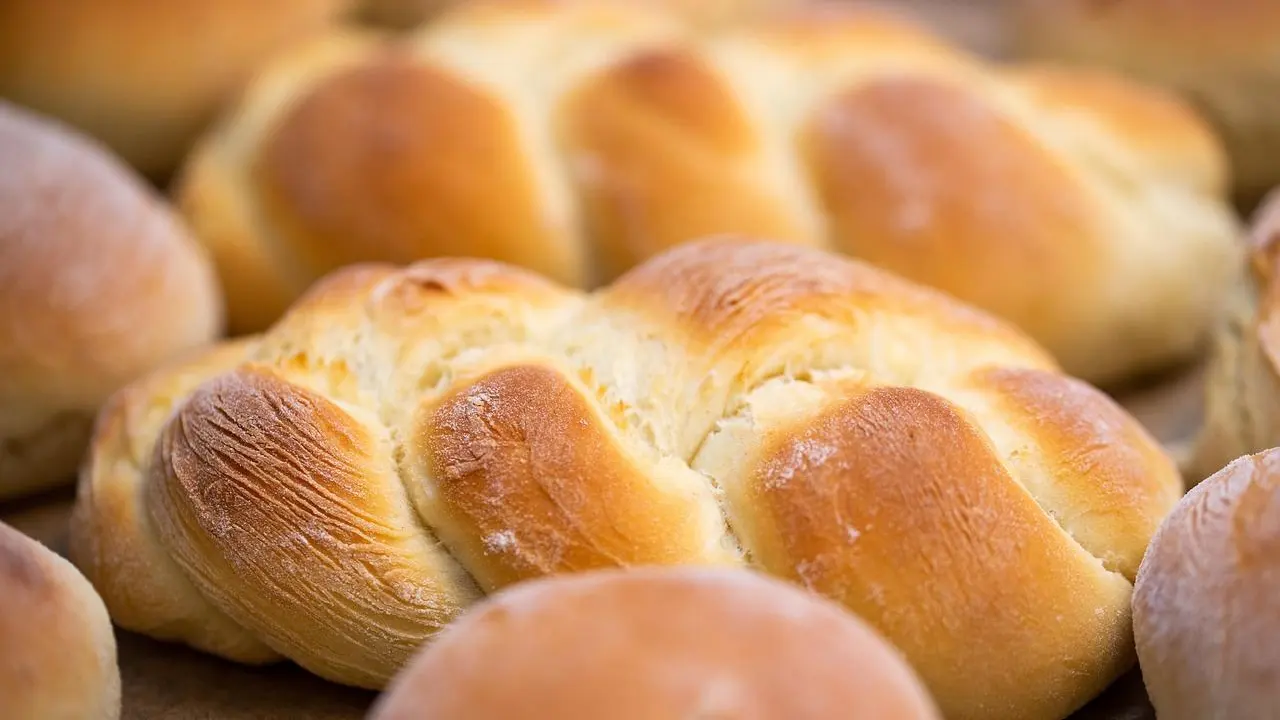
- Individual buns.
Despite the name, the loaf is closer to a sweet, spiced fruit bread than a sponge. Slow Food UK says it is almost always served thickly spread with Cornish butter.
The look and taste are easy to spot once you know what to expect. Slow Food UK describes a deep golden crust and a pronounced yellow crumb speckled with fruit, with a mildly sweet flavour and a slightly astringent saffron note. That astringent edge is best softened with rich Cornish butter or clotted cream, according to Kilden Mor.
No two bakers follow exactly the same method. Slow Food UK says recipes vary in their spices and dried fruits from village to village, but the basic recipe contains the same core ingredients:
- Flour and sugar.
- Dried fruit.
- Fat, which was traditionally lard.
- Yeast and saffron.
The names add to the confusion. Wikipedia says the bun contains dried fruit including currants and raisins and is similar to a teacake, and it lists saffron bun, tea treat bun and revel bun as names for the same family of bakes. The name often points to the occasion, as the tea treat and revel details further down show.
The saffron has to be infused in hot water to release its colour, flavour and scent. A recipe in May Byron’s 1914 cookery book, reproduced on Foods of England, steeps the saffron overnight and uses lard or dripping. It tells the baker to leave the dough until it has “plimmed up”, which is a lovely word for risen.
Tea treats, revels and feast days
These buns grew up around community occasions. Kilden Mor says people have baked with saffron since the 1800s, when it became part of Methodist feast days. Children at the end of a day of processions, games and races were given oversized tea treat buns.
Wikipedia adds that in the west of Cornwall these large buns are linked with Methodist Sunday school outings. The “revel bun” is baked for special occasions such as anniversary feasts (revels) or the dedication of a church.
The custom has not vanished. Cornwalls.co.uk notes that some villages have continued or revived it, naming Pendeen in Penwith, where the bakers Warrens sell the buns in all their outlets.
Saffron has also turned up at other times of year:
- Good Friday, when the buns were originally eaten with clotted cream, per Slow Food UK.
- Hot cross buns, which in Cornwall had a currant paste and saffron-coloured dough, according to Cornwall For Ever!
- St Day Feast, where the same site says locals eat more than 2000 saffron buns.
How did saffron end up in Cornwall?
Nobody agrees on the date, which makes this part of the story half history and half guesswork. Cornwalls.co.uk says the answer probably lies in the ancient tin trade with the Phoenicians, with the spice and flower bulbs sometimes swapped for the metal.
Slow Food UK gives a different starting point, saying the Romans brought saffron to England and that tin was traded for saffron in Cornwall. Kilden Mor prefers the fourteenth century. Wikipedia only goes as far as saying saffron was historically grown in Devon and Cornwall, and that Spanish saffron had likely been traded for centuries before.
What the sources do agree on is that saffron faded elsewhere. Kilden Mor says other spices and commercial dyes caused its decline in England as early as 1700, except in Cornwall. Cornwall For Ever! points to the Protestant Reformation, when plainer tastes took over, and says Cornwall was the only place in the UK that kept using it.
Why the yellow is not always saffron
Saffron is the world’s most expensive spice by weight, as Wikipedia puts it. Kilden Mor explains why: growers must remove the red stigma from around 180 flowers to make a single gram.
That price creates a temptation. Slow Food UK says producers have frequently and deliberately confused saffron with turmeric, and that yellow food colouring is a common replacement. Wikipedia adds that most commercially available saffron buns and cakes contain food dyes that boost the natural yellow.
If you want the genuine thing, look for these clues:
- A mellow, slightly astringent flavour rather than a purely sweet one.
- A colour that looks golden rather than neon.
- A baker or label that says saffron is the colouring.
Real Cornish-grown saffron exists too. Kilden Mor names The Cornish Saffron Company on the Roseland Peninsula, which has grown the crocus since 2014, as one example.
Saffron buns beyond the bakery shelf
Saffron buns are less famous than the pasty, but the story is just as good, as Kilden Mor points out. If you enjoy Cornish dishes with a tale behind them, try the stargazy pie next.
For a wider tour, the guide to traditional cornish food shows where saffron buns sit among the county’s classics. Kilden Mor suggests balancing the saffron’s astringency with Cornish butter or clotted cream.
There is also a Scandinavian cousin. According to Wikipedia, the Swedish and Norwegian lussekatt uses no cinnamon or nutmeg and has raisins instead of currants. It is eaten during Advent, especially on St Lucy’s Day, 13 December.
Frequently asked questions
Is a saffron bun the same as saffron cake?
Show answer
They share a recipe. Wikipedia says larger versions baked in a loaf tin are known as saffron cake.
What is a tea treat bun?
Show answer
It is a large saffron bun tied to Methodist Sunday school outings in the west of Cornwall. Cornwalls.co.uk says each child was given one on feast days.
Why is saffron so expensive?
Show answer
Each flower gives only a tiny amount. Kilden Mor says growers must remove the stigma from around 180 flowers to produce a single gram.
Is the yellow colour always from saffron?
Show answer
No. Slow Food UK says turmeric and yellow food colouring are common replacements because of saffron’s price.
What do you serve with saffron buns?
Show answer
Kilden Mor suggests rich Cornish butter or clotted cream, which balance the saffron’s slightly astringent flavour.