Wondering where your lunchtime pasty really came from? Cornish pasty history runs from medieval pies for the rich to tin miners’ lunches, and it won protected status in 2011.
If you are exploring the county’s tables, our hub on cornwall food and drink is a good next stop.
| Item | Value |
|---|---|
| Earliest pasty reference found for Devon or Cornwall | Plymouth city records, 1509/10 |
| “Cornish pasty” as a term in print | In use since at least the early 1860s |
| EU protected status (PGI) announced | 22 February 2011 |
| People estimated to benefit from the trade (Defra, 2011) | Some 13,000 |
| Share of the Cornish food economy | 6% |
These figures come from Defra’s press release and Wikipedia’s pasty entry. They can change, so check the source before you rely on them.
Where did the pasty begin?
The word pasty comes from Medieval French for a pie baked without a dish, and early pasties were food for the wealthy. Wikipedia records a 1208 charter requiring baked herring pasties for Great Yarmouth, and 5,500 venison pasties served at an archbishop’s installation feast in 1465.
Historic UK says the pasty has been a documented part of the British diet since the 13th century. Fillings then included venison, beef, lamb and seafood such as eels.
The earliest reference for a pasty in Devon or Cornwall is in Plymouth city records of 1509/10, and Plymouth is in Devon. Foods of England reports a long-standing argument between historians over which county is the true home of the pasty. It adds that the first known pasty receipt from Cornwall, dated 1746, is for a grand meat-joint pasty rather than a miner’s lunch.
How did tin miners make it their own?
By the 17th and 18th centuries the pasty had moved down the social ladder. Wikipedia says working people in Cornwall and west Devon, tin miners among them, adopted it as a complete meal that could be carried easily and eaten without cutlery.
Underground, the dense, folded pastry mattered. It could stay warm for several hours, and a cold pasty could be warmed on a shovel over a candle.
Meat was costly, so Historic UK says early pasties held much more vegetable than today’s. Carrot, now common in shop pasties, was once the mark of an inferior pasty.
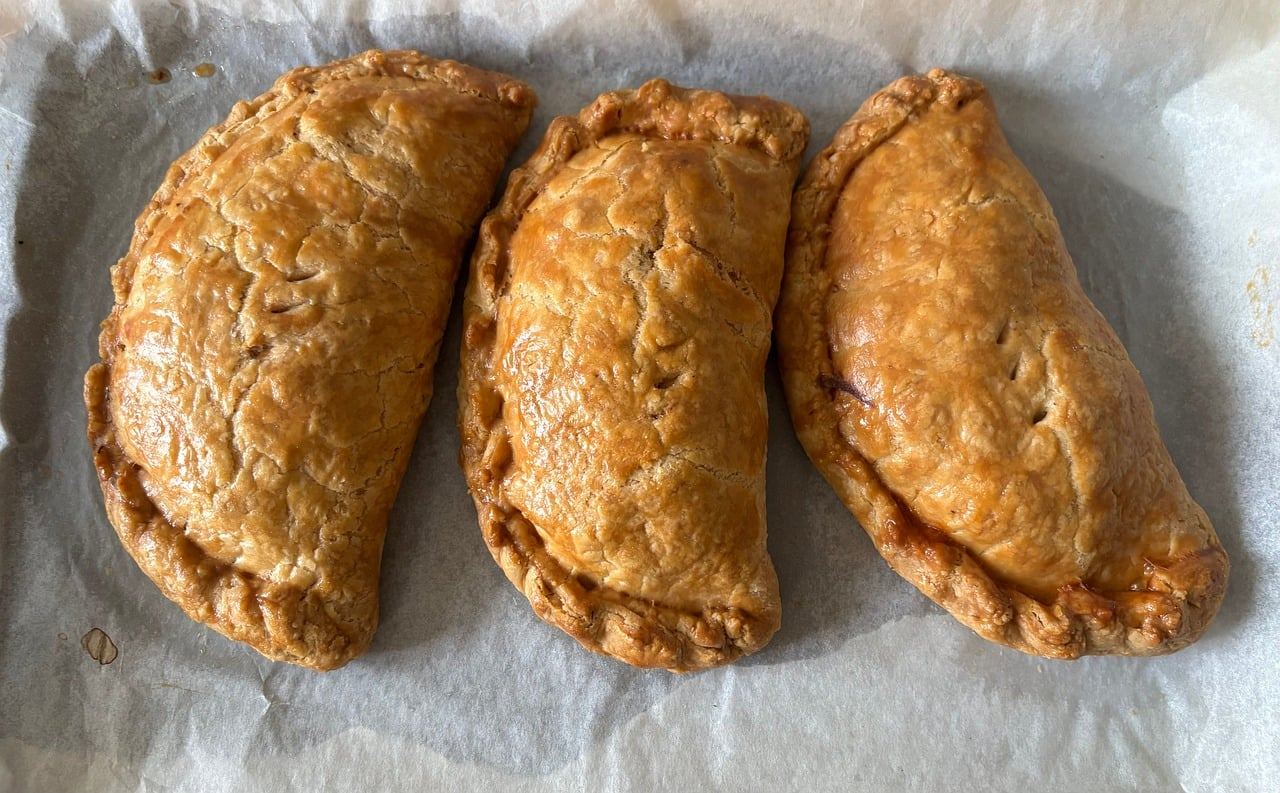
Crimped crust, initials and mine lore
Several explanations for the pasty’s habits come up again and again, and not all of them hold up.
- Crust as a handle: Defra’s press release says miners used the crimped crust as a handle and threw it away to avoid eating the arsenic found in tin dust.
- Eaten end to end: Wikipedia notes that many old photographs show pasties wrapped in paper or muslin and eaten from end to end, and that the earliest Cornish recipe book, published in 1929, calls this the true Cornish way.
- Initials: one theory on the same page is that a pasty was marked at one end with an initial so an unfinished half could be reclaimed by its owner.
Foods of England doubts the handle story, saying it seems unlikely that hungry and poorly paid miners would throw away such a treat. It also says there is no historical evidence for pasties with meat at one end and fruit at the other as everyday dishes.
The nickname oggy is a corruption of the Cornish word hoggan, according to the same source. It also repeats the saying that the Devil never dared cross the Tamar into Cornwall, for fear of Cornishwomen putting everything they found into a pasty.
How the name Cornish pasty reached print
The clearest early description of a modern Cornish pasty that Foods of England could find is in the Leeds Times of 21 December 1861. The writer plainly does not assume readers know what the dish is.
Wikipedia says the term has been in use since at least the early 1860s. It quotes an 1862 account by Henry H. Vivian, who bought a pasty at Bodmin to take home so his cook could copy it.
The 1861 writer in Foods of England’s example described the filling as small pieces of beef, highly peppered, enclosed in a wrapper of paste. The author also warned hungry tourists that such pasties were eatable enough when quite hot but detestable otherwise, except to those who like cold potato. It shows the dish still needed explaining to readers outside the county.
What protected status changed in 2011
According to Country Life, the Cornish Pasty Association was formed in 2002 by producers worried about cheap imitations swamping the market. It lobbied for a Protected Geographical Indication, and in 2011 it got its wish.
As of Defra’s announcement on 22 February 2011, a genuine Cornish pasty needed chunks of beef, potato, onion and swede in a D-shaped crust, and could only be made in Cornwall. It was the third Cornish product to gain Protected Food Name status, joining Cornish Sardines, Clotted Cream and West Country Farmhouse Cheddar.
Clotted cream was one of those earlier names, and you can see how Cornwall argues about food in our piece on the cornish cream tea jam or cream first debate.
The registered specification, as the sources below summarise it, includes these points:
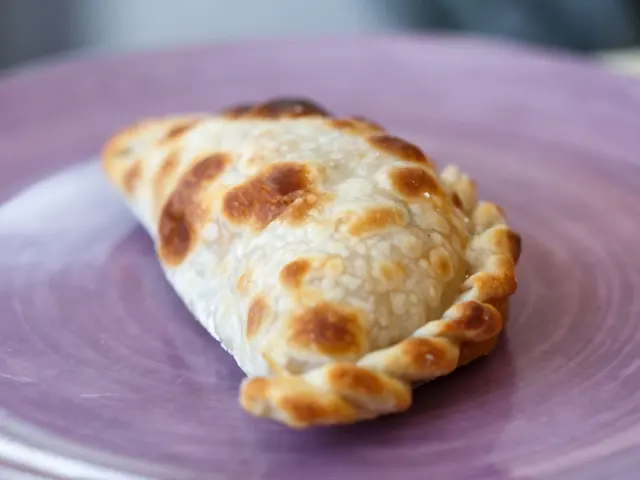
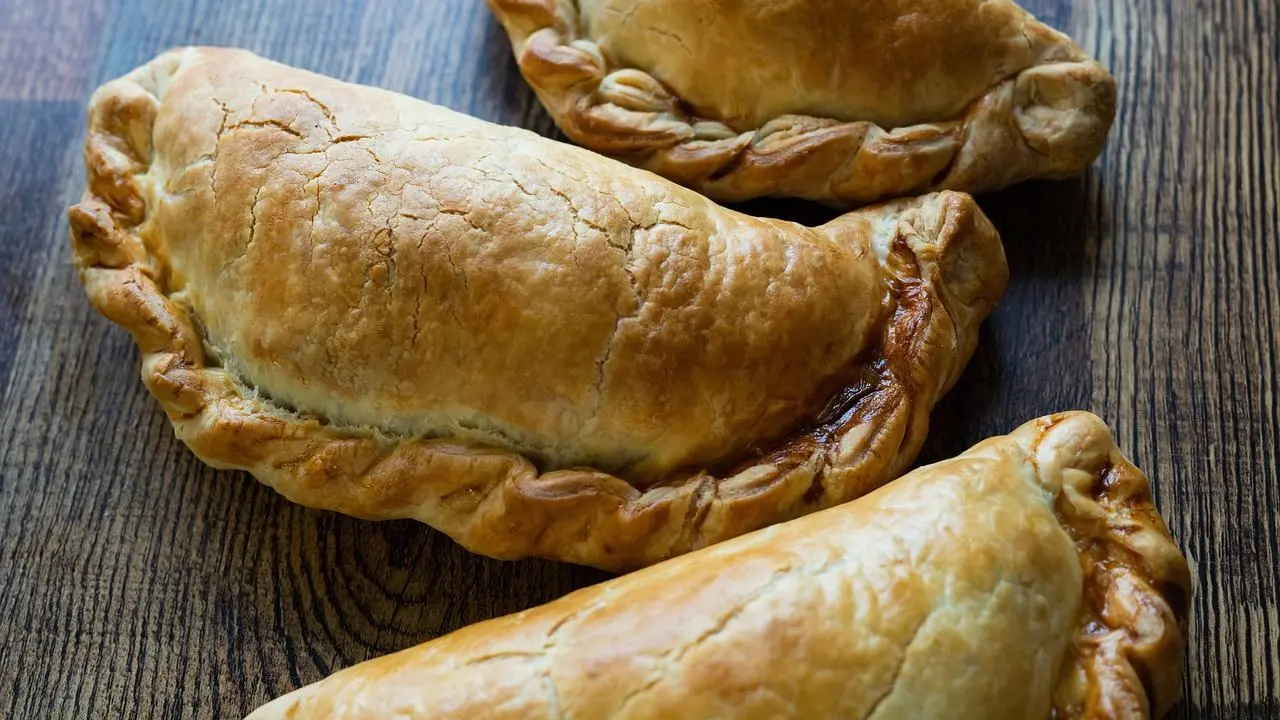
- Shape: a D-shape, crimped on one side, never on top.
- Proportions: a minimum of 12.5% meat and 25% vegetables.
- Filling: beef, swede, potato and onion, with no carrot, and every ingredient uncooked when the pasty is sealed.
- Place: assembled in Cornwall, though the same source says pasties can be shipped unbaked elsewhere for baking.
Devon makes very similar pasties, and CooksInfo says the traditional difference is a seam along the top rather than the side. Rules can change, so check the official register before relying on them for labelling.
Defra also estimated in 2011 that some 13,000 people benefit directly and indirectly from the trade, as its press release sets out.
The pasty abroad
Cornish miners and sailors carried the pasty with them. Wikipedia says variations can be found in Australia, Mexico, the United States, Ulster and elsewhere.
- The upper peninsula of Michigan received many Cornish immigrants from the 1840s, CooksInfo says, and it remains a pasty hotspot.
- Foods of England names Pachuca and Real del Monte in the Mexican state of Hidalgo.
- The same source names the Yorke Peninsula of South Australia.
Wikipedia calls the pasty the food most associated with Cornwall and says it accounts for 6% of the Cornish food economy, as its pasty entry explains. For other dishes with similar roots, see our guide to traditional cornish food.
Frequently asked questions
Did tin miners invent the pasty?
Show answer
No. Historic UK says pasties were documented from the 13th century, and Wikipedia says miners adopted them in the 17th and 18th centuries.
Can a pasty made in Devon be called Cornish?
Show answer
As of Defra’s announcement on 22 February 2011, no. Only pasties made in Cornwall to the registered specification can carry the name Cornish Pasty on their label.
Does a Cornish pasty contain carrot?
Show answer
Not under the registered definition, which CooksInfo summarises as excluding carrot. Historic UK adds that carrot was originally the mark of an inferior pasty.
What does oggy mean?
Show answer
It is a nickname for a pasty, said by Foods of England to be a corruption of the Cornish word hoggan.