Planning a trip and unsure what to eat? Traditional Cornish food comes down to a handful of dishes: the pasty, stargazy pie, saffron buns, hevva cake and a jam-first cream tea. Try those and you’ve tasted the county.
When you want the wider picture, our overview of cornwall food and drink is a good next stop.
| Item | Value |
|---|---|
| Minimum beef in a PGI Cornish pasty | At least 12.5% |
| Minimum potato, onion and swede combined | At least 25% |
| Year the pasty received protected status | 2011 |
| Date of Tom Bawcock’s Eve, when stargazy pie is eaten | 23 December |
| Thickness of a hevva cake | About half an inch |
| Year Cornish fairings were first sold by mail order | 1886 |
These figures come from Love Food’s March 2022 feature and Cornish Dairy Co’s February 2025 post. Rules and traditions can change, so check the source before you rely on them.
Traditional Cornish food starts with the pasty
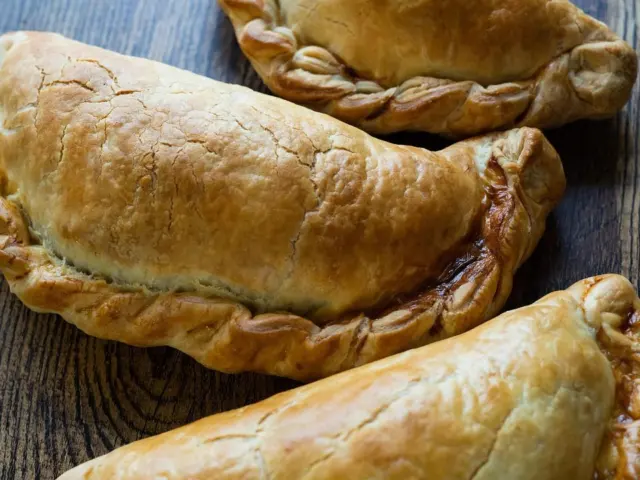
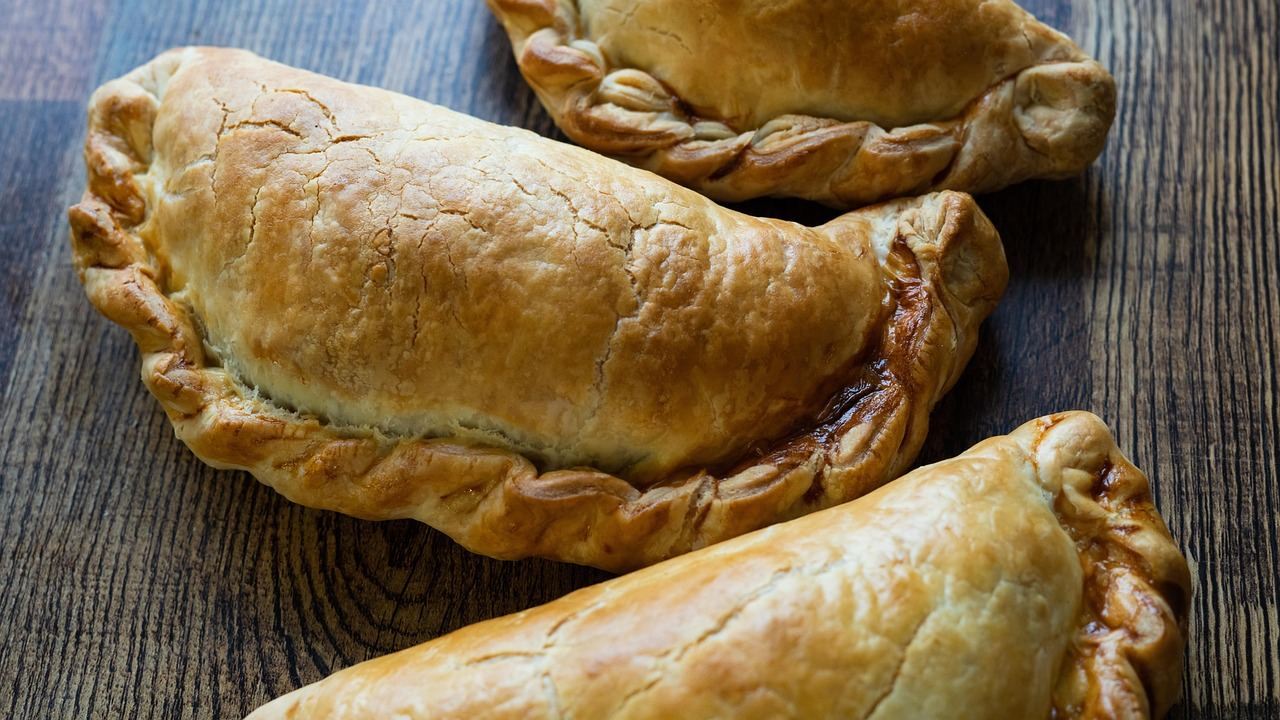
The Cornish pasty is the dish most people name first, and it comes with rules. As of Love Food’s March 2022 article, it carries PGI status: a D-shaped case with a crimped edge, at least 12.5% beef, and at least 25% of potato, onion and swede combined. Locals confusingly call swede “turnip”.
Great British Chefs describes the traditional filling as beef (typically skirt steak), diced potatoes, turnips and onions, with the pastry crimped around twenty times, in its February 2025 update. One food writer adds that the meat must be chopped rather than minced, and that carrot never goes in, in a post on Cornish food.
Miners carried pasties underground as a portable lunch. Pen Vogler, quoted by Love Food, says the pasty “was robust enough to survive the journey down the pit and nourishing enough to keep a worker going all his sunless day”.
The pasty’s protected status dates to 2011, and Cornish Dairy Co’s February 2025 post says the name now applies only to pasties made within Cornwall’s borders in the traditional Cornish way. The same post says the crimped edge was originally designed so miners could hold the pasty with dirty hands and use the thick crust as a disposable handle. Our cornish pasty history guide tells the backstory in more detail.
Stargazy pie and Cornish seafood
Stargazy pie is the one you’ll remember. Pilchards, the Cornish sardine, poke their heads through the pastry as if gazing at the stars, and Love Food says you don’t need to eat the heads or tails.
Legend places its birth in Mousehole, where it is eaten on Tom Bawcock’s Eve, 23 December, to mark a fisherman who saved the villagers from famine with a huge catch during a storm, according to Love Food. As of Great British Chefs’ February 2025 update, it can still be found on the menus of many traditional Cornish pubs and restaurants.
Recipes differ from cook to cook. Great British Chefs describes pilchards under a white sauce, while Cornish Dairy Co lists a filling of fish, potatoes, eggs, cider and bacon in a creamy sauce.
For something simpler, one food writer rates dressed crab with brown bread, salted butter and fresh lemon among the best things you can eat in Cornwall, in a post on Cornish food.
Saffron buns, hevva cake and fairings
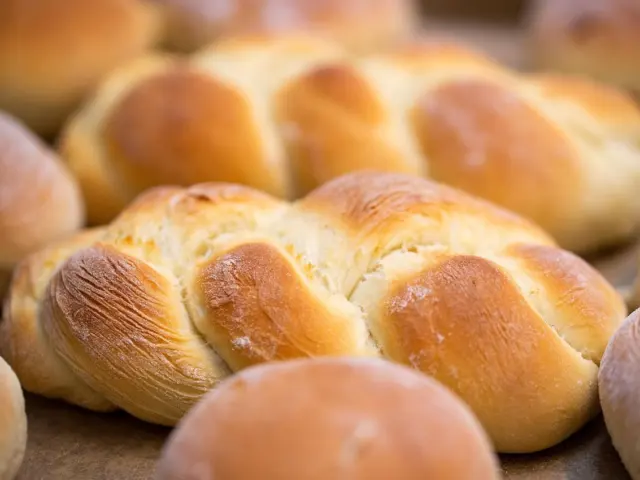
The saffron bun goes by the names revel bun and Cornish tea treat bun, and contains dried fruit such as currants, says Great British Chefs. The same source says today’s yellow colour usually comes from food colouring, because enough saffron would cost too much. A large loaf version is called saffron cake, according to Love Food.
Our guide to cornish saffron buns looks at them in more detail. Three more sweet bakes are worth hunting for:
- Hevva cake: about half an inch thick, scored with a criss-cross pattern to represent a fishing net, with a texture between a scone and shortbread. The name is thought to come from the huer, a cliff-top lookout who shouted “Hevva!” when pilchard shoals appeared (Love Food).
- Cornish fairings: spicy ginger biscuits. They gained fame beyond the county after Truro tearoom owner John Cooper Furniss started selling them by mail order in 1886 (Love Food).
- Cornish splits: a bun of enriched bread dough filled with jam and whipped cream (British Food: A History).
Cream teas and clotted cream
A Cornish cream tea puts the jam on the scone first, then the clotted cream on top. Devon does it the other way round, cream first and then jam, according to British Food: A History. Cornish Dairy Co agrees that true Cornish tradition puts jam first.
Clotted cream is a very thick cream made by evaporating double cream over a very low heat, says the same food history blog. Cornish cooks also use it in ice cream, though as of Love Food’s March 2022 article that ice cream has no protected status, so do your research before you buy.
Yarg, cider and likky pie
A few local staples sit outside the famous list but reward a detour:
- Yarg: a nettle-wrapped cheese developed in the 1980s by Jenny and Alan Gray, who found a recipe from 1615 in their attic. Its name is their surname reversed, and as of Love Food’s March 2022 article it is made exclusively by Lynher Dairies in Truro (Love Food).
- Cornish cider: by the 18th century, many Cornish farm labourers received a fifth of their wages in the drink (Love Food).
- Likky pie: stewed leeks, bacon and milk under shortcrust pastry, with a mix of cream and eggs poured through a hole to form a custard (Love Food).
- Hog’s pudding: often found on a Cornish fried breakfast instead of black pudding (British Food: A History).
A simple tasting plan for your first visit
You don’t need to eat everything in one trip. This order covers the classics without overdoing it:
- Start with a pasty from a bakery, ideally served piping hot from the oven in a paper bag, as Cornish Dairy Co suggests.
- Order stargazy pie at a pub if it is on the menu, and check ahead because menus change.
- Take a saffron bun or a slice of hevva cake for the afternoon.
- Finish the day with a jam-first cream tea.
- Pack some fairings to take home, since they began as sweet souvenirs sold at fairs.
Frequently asked questions
What is the most famous traditional Cornish food?
Show answer
The pasty is the dish most people name first. Cornish Dairy Co says it received protected status in 2011, as of its February 2025 post.
Do you eat the heads on a stargazy pie?
Show answer
No. Love Food says you can discard the heads and tails and enjoy the rest.
Do you put jam or cream first on a Cornish cream tea?
Show answer
Jam goes first in Cornwall, then clotted cream on top. Devon reverses the order, according to British Food: A History.
Does a Cornish pasty contain carrot?
Show answer
Traditionally it does not. Great British Chefs lists beef, potatoes, turnips and onions, and one food writer says carrot must never be added.