Looking for Cornish cider worth tasting? You’ll find it in old orchard farms and craft makers, in styles from crisp and sparkling to still. Start with the facts below, then pick your style.
For the wider picture of local eating and drinking, browse this guide to cornwall food and drink.
| Item | Value |
|---|---|
| Haye Farm cider production | Since the 13th Century |
| Haye Farm 2023 Cornish Sparkling Cider strength | 5.2% ABV |
| Haye Farm bottle size | 330ml |
| Cornish Orchards first cider produced | 2002 |
| Cornish Orchards production site | Duloe, Cornwall |
These figures come from Haye Farm and Cornish Orchards. Makers update their ranges and details, so check the source before you rely on them.
Where does Cornish cider come from?
The story is long. A Kilden Mor history says its roots stretch back to the Romans, who cultivated apple orchards as an alternative to wine production. By the 18th century, it adds, many Cornish farm labourers received a fifth of their wages in drink.
One farm stands out. Haye Farm, midway between Polruan and Fowey, says cider has been produced there since the 13th Century, and describes itself as probably the oldest maker of traditional cider in the world (Haye Farm).
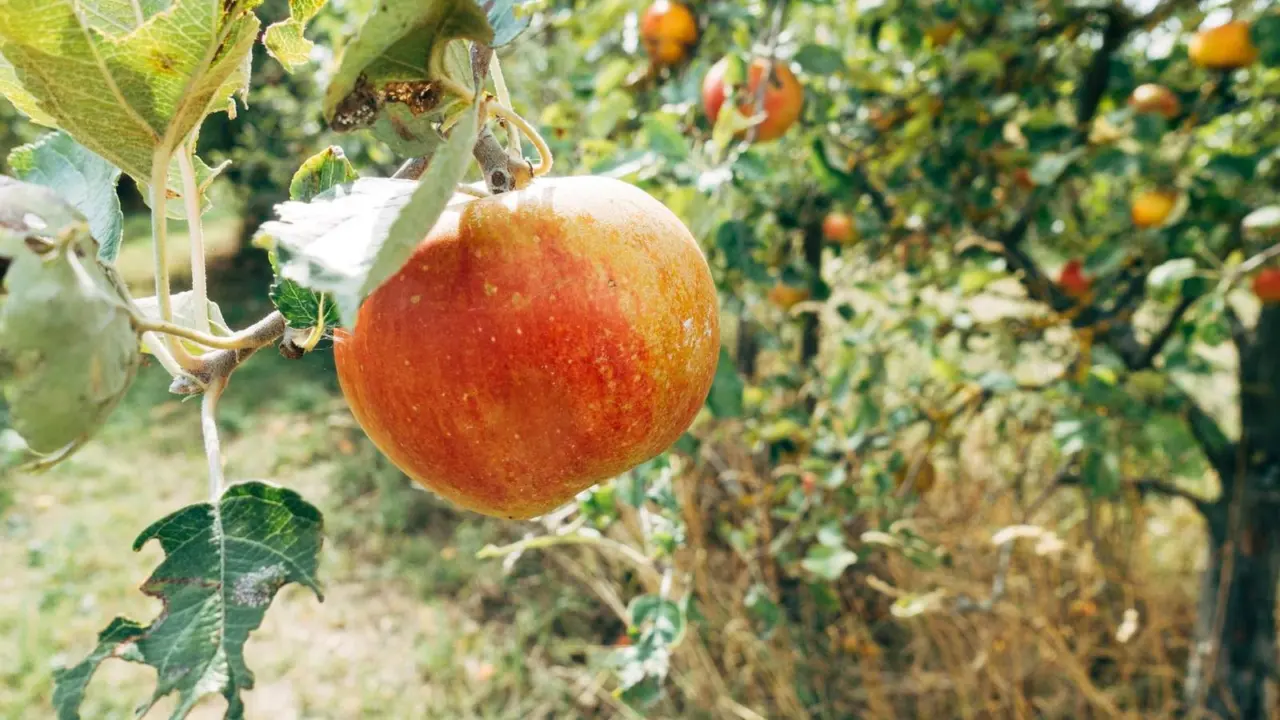
Orchards were once part of everyday farming. The Duchy of Cornwall Nursery notes that most farms were small, mixed enterprises with an orchard to provide apples for making cider. Two world wars and economic pressures then led to the demise of the orchards.
The tide has turned since. The same nursery says renewed efforts are being made to find and rescue old varieties. In the early 1990s, according to Kilden Mor, Apple Day identified 120 varieties and prompted the rediscovery of Red Rollo, an apple thought to have been lost.
Modern makers often start with planting. Cornish Orchards says its founder arrived at Westnorth Manor Farm in the spring of 1992. Inspired by Cornwall Council’s project to save and replant traditional orchards, he planted three orchards there.
Which Cornish apple varieties should you know?
Cornish orchard apples come with memorable names. The England in Particular orchard guide lists Cornish varieties that do well in the mild, moist climate of the south west. Not every one is a dedicated cider apple, but they show how varied the county’s fruit is.
- Cornish Gillyflower: a dessert apple that stores until February, with the flavour changing during that time, according to the Duchy of Cornwall Nursery.
- Ben’s Red and Cornish Pine: the same nursery describes a hint of strawberry in the first and a hint of pineapple in the second.
- Cornish Aromatic, Cornish Honeypin and King Byerd: three more varieties named by England in Particular.
- Red Rollo: the apple rediscovered after Apple Day, as noted above.
- Dabinett, Kingston Black and Harry Masters: favourite cider apples of a Secret Orchard co-founder, per a Drift Journal article.
Some producers are reviving the old stock directly. Kilden Mor points to Touchwood Cider, handmade on a small farm in Mithian where they have reinstated nearly 30 varieties of apple.
How Cornish cider is made
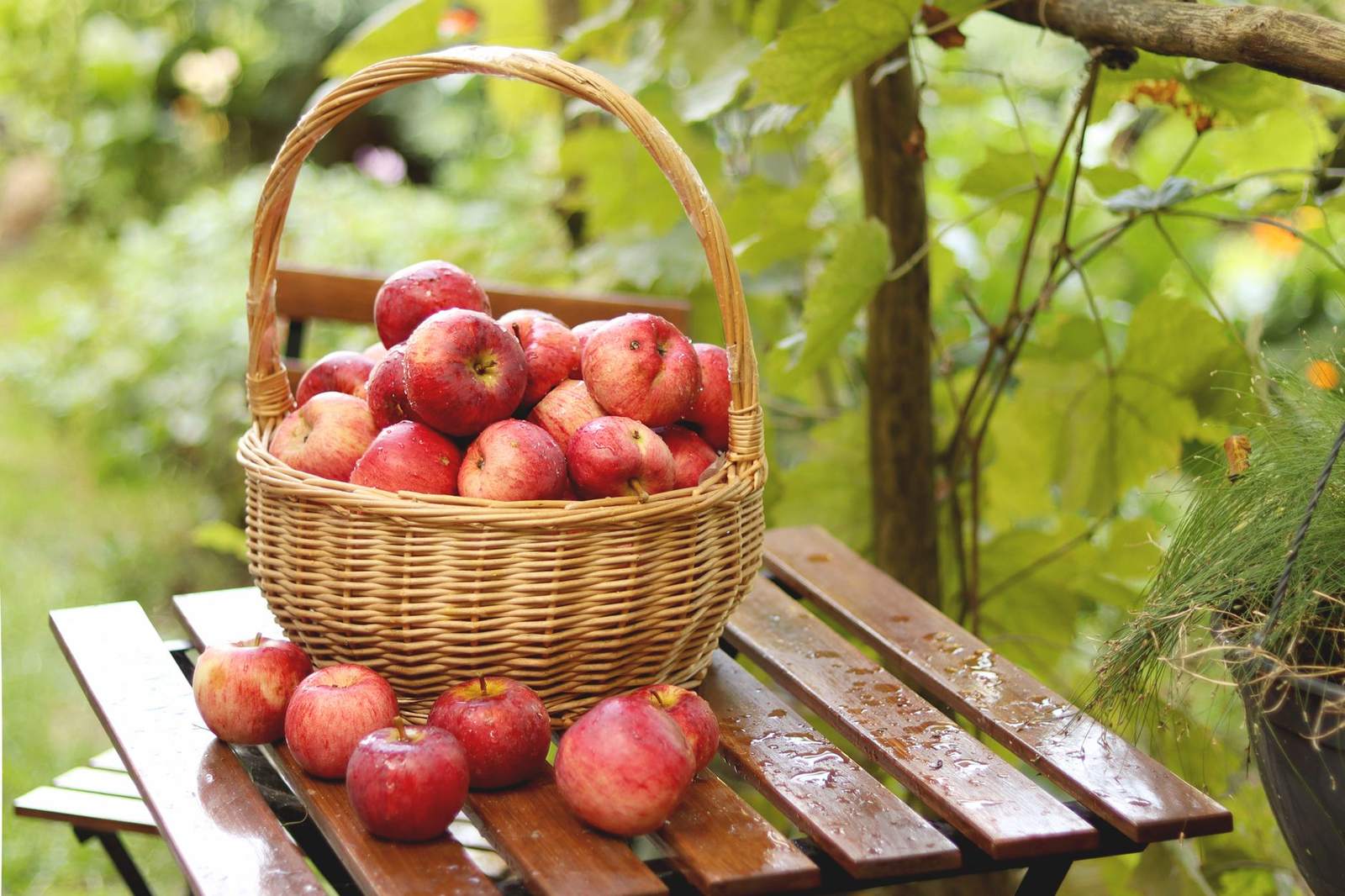
The basic method is old. Kilden Mor says that for hundreds of years Cornish cider was made using apple presses, with the fruit picked, crushed and naturally fermented. Typically 36 apples are required for a gallon, and premium drinks can take up to a year and a half.
Makers then add their own choices. Cornish Orchards describes its approach in a few steps:
- Apples grown around the South West (Somerset, Devon and Cornwall) are hand-graded and pressed on site.
- It does not force fermentation with temperature control, using the cool ambient temperatures of Cornwall’s winter months instead.
- The cider is matured in tank, where the youthful austerity softens.
- Every batch is hand blended for consistent flavour.
That first point matters when you read a label. A cider sold as Cornish may be made in Cornwall from apples that were not all grown there, so ask the maker if provenance matters to you.
Craft producers can take a different line. Secret Orchard, founded in 2012 with production bases in Somerset and Cornwall, makes its cider from 100% pressed juice using wild yeasts and without added sulphites, says the Drift Journal article. Cornish Orchards, by contrast, states that its ciders do contain sulphites.
Cornish cider styles and how to taste them
Styles vary more than the old scrumpy image suggests. Haye Farm’s 2023 Cornish Sparkling Cider is bottled at 5.2% ABV, and the farm describes it as medium sweetness, deliciously bubbly and full of all manner of apples (Haye Farm). It says 100% of the apples were grown and harvested on the farm.
Secret Orchard’s Cornish range includes ‘Crisp’ and ‘Smooth’, plus a still cider called ‘Holy Water’, according to the 2020 Drift Journal article. The piece calls the overall style modern, crisp and refreshing, with the character of fruit to the fore.
Try a simple tasting routine with any bottle:
- Look at the label to see whether it is sparkling or still.
- Smell first and name the fruit you notice.
- Sip and judge the sweetness, from dry to medium and beyond.
- Note how long the flavour lasts after you swallow.
- Try it with food and see how it changes.
Food is a good guide. The Drift Journal article says Secret Orchard bottles suggest pairings from roast pork and charcuterie to sushi, mackerel and summer salads. It also notes that smaller servings rather than pints are a mark of the craft cider movement.
Where to try Cornish cider
Farms are a good start. Kilden Mor describes Healeys, whose Rattler brand has been a huge success and which launched its first Cornish Gold Cider in 1990, as open to the public with tours. It also mentions Haywood Farm near St. Mabyn, which has produced cider for hundreds of years using a large granite press.
Cornish Orchards has a Tours page, and says to see it for availability (Cornish Orchards). Check there before you travel.
Pubs help too. In its April 2021 article, Kilden Mor named the Front and the Stable, both in Falmouth, as recent CAMRA Cider Pub of the Year winners. It also says The Shipwrights in Padstow serves a range of good Cornish ciders on tap.
For bottles, Haye Farm lists The Cornish Drink Store in St Ives, The Good Life in Polperro, Purely Cornish in Looe and Lerryn River Stores as stockists of its 2023 vintage. Stock moves quickly, so check with the shop first.
Cider is only one local drink. If you prefer beer, the guide to cornish breweries covers that side. The Duchy of Cornwall Nursery notes that the rare Kea plum is also used to flavour gin, so the guide to cornish gin is a natural next stop.
Frequently asked questions
What counts as Cornish cider?
Show answer
There is no single answer in the sources. Cornish Orchards presses and matures its cider in Duloe, Cornwall, but says its apples come from Somerset, Devon and Cornwall, while Haye Farm says all the apples in its sparkling cider were grown on the farm (Cornish Orchards).
Is Cornish cider sweet or dry?
Show answer
It varies by maker. Haye Farm describes its sparkling cider as medium sweetness, while Secret Orchard offers ‘Crisp’ and ‘Smooth’ Cornish ciders (Haye Farm).
Does Cornish cider contain sulphites?
Show answer
Makers differ. Cornish Orchards says its ciders do contain sulphites, while Secret Orchard says it makes its cider without added sulphites (Drift Journal). Check the label or ask the maker.
Is Cornish cider vegan?
Show answer
Cornish Orchards says its ciders and soft drinks are suitable for vegetarians and vegans (Cornish Orchards). Other makers may differ, so check each one.
Can you visit a cider farm in Cornwall?
Show answer
Yes, several welcome visitors. Healeys and Haywood Farm are described as offering tours, and Cornish Orchards points to its Tours page for availability (Kilden Mor).