You want to know what makes Cornish gin different? Cornwall’s distillers pair classic juniper with local botanicals such as violets, hedgerow finds and coastal plants, and several distilleries welcome visitors.
This guide sits within the wider topic of cornwall food and drink, so you can follow it with more local flavours.
| Item | Value |
|---|---|
| Tarquin’s Cornish Gin: production began | 2012 |
| Tarquin’s Cornish Dry Gin strength | 42% ABV |
| Tarquin’s bottles per batch (2013 report) | 300 bottles |
| Elemental Cornish Gin bottles per batch (2013 report) | 80 bottles |
| Elemental Cornish Gin bottled strength (2013 report) | 42% |
The figures come from the Gin Guild’s Tarquin’s listing and a Drinkfinder post from 2013. Batch sizes and recipes can change, so check the source before you rely on them.
Why Cornwall suits gin
Cornwall’s history with spirits is long, from harbours that saw gin and rum laden ships heading out to the smuggling of alcohol through its rocky bays. The Gin Guide says Cornwall has put its name on the UK gin map, helped by local access to coastal and rural botanicals.
Gin was a newcomer, though. A Drinkfinder post written about 2013 says the county was historically known for cider, mead and ale, and that two Cornish gin micro distilleries had just opened close to one another.
Tarquin’s Cornish Dry Gin and its botanicals
Tarquin’s is a good place to start. The Gin Guild listing says it was the first new gin crafted in the South West of England in over 100 years when production began in 2012, though that information is provided by the brand owner.
The same listing names these botanicals:
- Juniper and coriander
- Cinnamon, cardamom and liquorice
- Orris and angelica root
- Grapefruit peel, fresh orange and fresh lemon
- Violet leaves and bitter almond
On the nose, the listing describes a citrus grove in the middle of a pine forest, with floral notes from handpicked violets and orris root. On the palate, piney juniper leads, followed by lemon sherbet from the coriander, orange blossom from the fresh peels, sweetness from liquorice and creaminess from the almonds.
A 2013 Drinkfinder post describes distilling in a traditional copper pot fired by flame, with only the heart of each batch bottled. The spirit is diluted with Cornish spring water from a source in Boscastle, and each batch of 300 bottles is wax-sealed by hand.
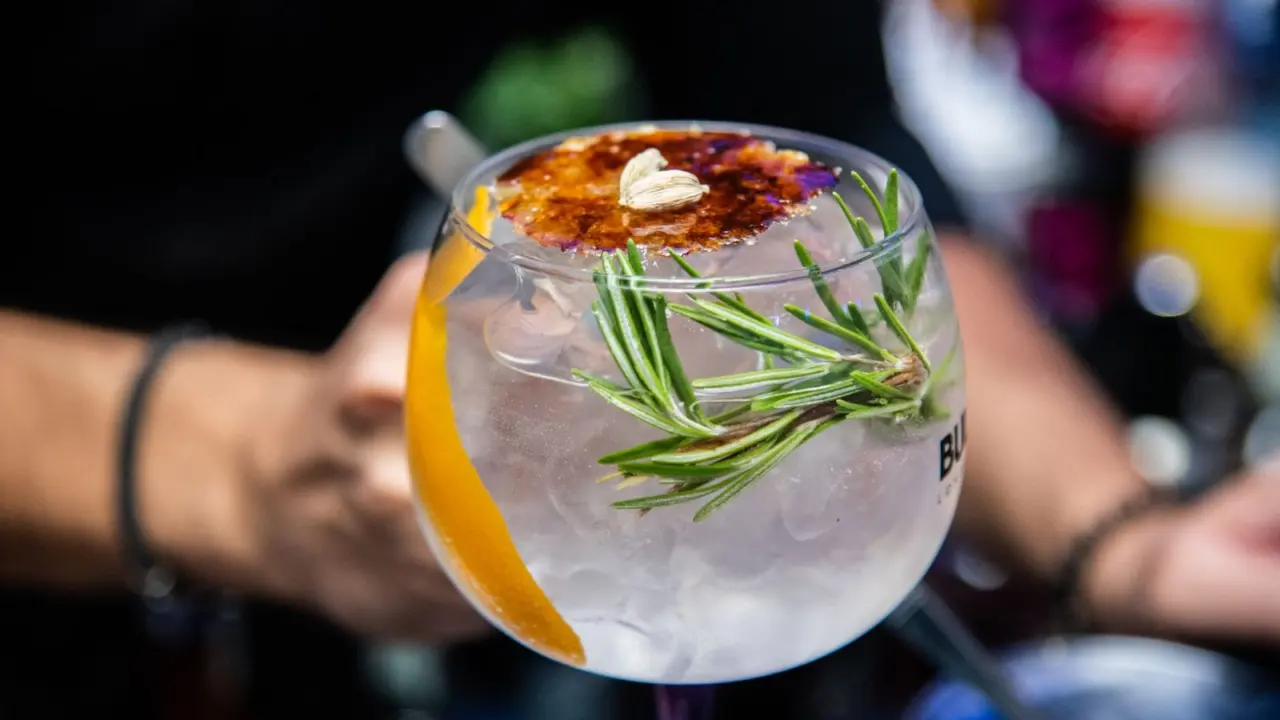
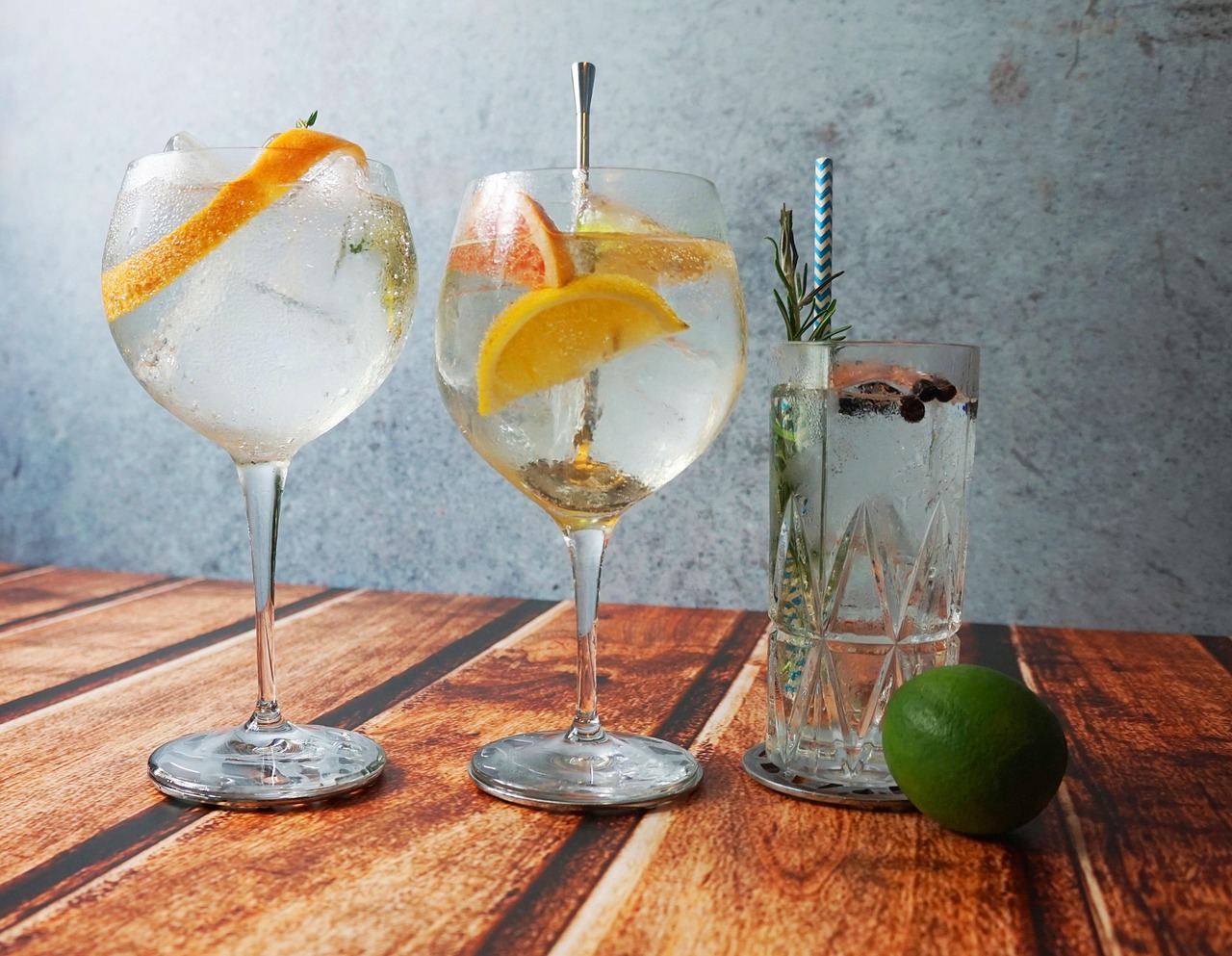
For serving, the Gin Guild listing suggests Mediterranean Tonic with a pink grapefruit and thyme garnish. The bottle strength is 42% ABV, so a long mixer keeps it easy to sip.
Other Cornish gin distilleries worth knowing
Tarquin’s is far from the only name. These examples show how different the small-batch approach can look from one distillery to the next:
- Elemental Cornish Gin: also distilled in a copper pot over a naked flame, with a bottled strength of 42% and batches of only 80 bottles, according to the 2013 Drinkfinder post.
- Foy Gin: distilled at Fowey Valley Cidery & Distillery in Golant and launched in 2017, using 200L copper pot stills, says the Gin Guide.
- Rosemullion: the dry gin launched in 2019 near Falmouth, made in batches of 100 to 200 bottles, with Cornish rainwater used in fermentation and distillation (Gin Guide).
- Trevethan: based on a family recipe perfected in the 1920s, revived in 2015 and made in small batches a short drive from Saltash, per Drinkfinder.
- Padstow Distilling: won gold at the International Wine and Spirits Competition 2024 for its classic gin, according to Aspects Holidays.
The Gin Guide also lists Atlantic Distillery Gin, Caspyn Gin, Cornish Blue Flamingo Gin, Cornish Rock Gin, Curio Gin, Land of Saints Gin, Loveday Falmouth Gin, Padstow Gin, Porthilly Spirit Gin, Scilly Spirit Island Gin, St Ive’s Gin and Wrecking Coast Gin among gins it understands are made in Cornwall. It adds that some products named after Cornish places may be produced outside the county, so it is worth checking where a bottle is distilled.
Which botanicals are really Cornish?
Trevethan says its gin uses botanicals sourced from Cornish hedgerows. The Drinkfinder post links this to a rural habit of foraging by season, with blackberry and elderberry wine, plum brandy and sloe gin among the old favourites.
On the coast, Aspects Holidays says Padstow Distilling blends coastal botanicals foraged around Padstow with barley grown above the Camel Estuary. Water can be local too, as in Rosemullion’s rainwater and the Boscastle spring water in Tarquin’s.
Some distilleries go further and make their own base spirit. The Gin Guide says Rosemullion’s founders ferment their own base spirit and combine it with local fruits and botanicals, while Foy Gin is made with the distillery’s own base alcohol. That puts more of the process, not just the botanicals, in Cornwall, which is worth asking about when you visit.
When you read a label, look for three things:
- Foraged ingredients, such as hedgerow or coastal finds.
- A local water source, such as rainwater or spring water.
- Where the gin is actually distilled.
Classic ingredients such as juniper and coriander still sit beside the local ones, so a Cornish gin is usually a blend of classic and local.
Visiting Cornish gin distilleries
The Gin Guide says only a small number of distilleries in Cornwall are open for tours, tastings and gin school experiences. It names these four:
- Colwith Farm Distillery in Lanlivery
- Fowey Valley Cidery & Distillery (Foy Gin) in Lostwithiel
- Pocketful of Stones Distillery (Caspyn Gin) in Penzance
- Tarquin’s Gin Distillery in Wadebridge
According to a January 2026 post from Aspects Holidays, Tarquin’s tours were awarded the 2024 Travellers’ Choice Best of the Best Award. The same post praises Fowey Valley’s hands-on workshop for making your own gin, and says Colwith offers a Gin School where participants distill a bespoke gin.
The post also notes that Pocketful of Stones runs gin tasting tours and that Loveday in Falmouth is best for organic and sustainable gin and rum. Healey’s Cornish Cyder Farm near Truro distils brandy and gin too, which is a handy bridge if you also like cornish cider.
The sources do not give opening times or prices, so check directly with each distillery before you travel. Between tastings, the guide to stargazy pie covers a very different side of Cornish eating.
Frequently asked questions
What counts as Cornish gin?
Show answer
In the Gin Guide’s usage, it is gin produced in Cornwall. The guide leaves out products that only carry a Cornish name if it understands they are made outside the county.
Which Cornish distilleries can I visit?
Show answer
The Gin Guide names Colwith Farm Distillery, Fowey Valley Cidery & Distillery, Pocketful of Stones Distillery and Tarquin’s Gin Distillery. Confirm tour details with each one first.
What botanicals are in Tarquin’s Cornish Dry Gin?
Show answer
The Gin Guild lists juniper, coriander, cinnamon, liquorice, orris, angelica root, cardamom, grapefruit peel, fresh orange, violet leaves, bitter almond and fresh lemon.
How should I serve Tarquin’s gin?
Show answer
The Gin Guild listing recommends Mediterranean Tonic with a pink grapefruit and thyme garnish.
Can I make my own Cornish gin?
Show answer
Aspects Holidays describes a hands-on gin workshop at Fowey Valley and a Gin School at Colwith Farm Distillery, where participants distill a gin tailored to their tastes.